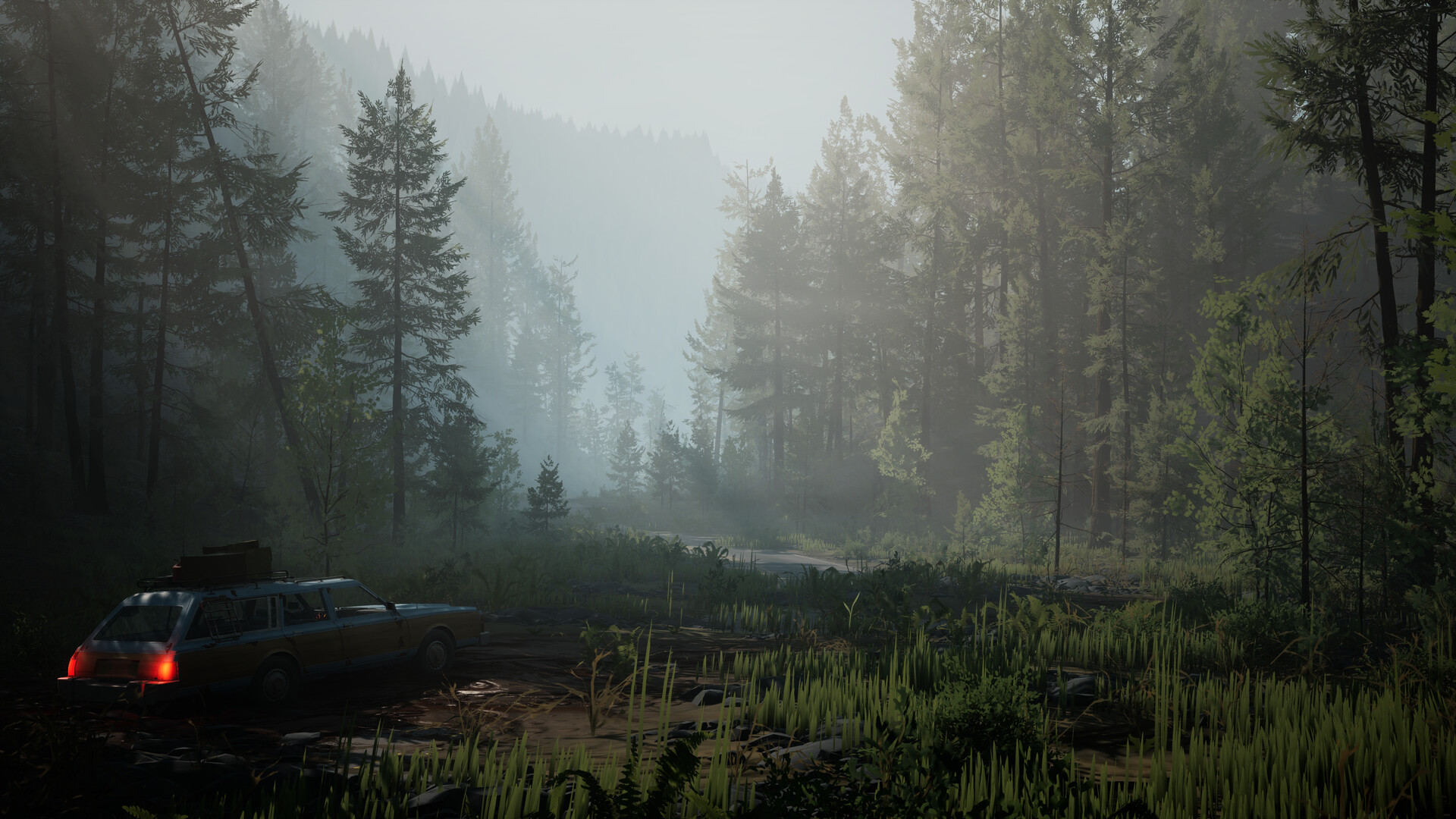
Ironwood Studios just dropped a curated Pacific Drive AMA recap from Summer 2026, and I’m still thinking about one answer in particular. The parking brake. That damn parking brake. It’s the thing every player has cursed at least once, and now I know it wasn’t just a gameplay mechanic—it was the moment the whole story turned.
I’ve put more hours into Pacific Drive than I care to admit, and I’ve forgotten to set the brake more times than I can count. So reading that the devs themselves kept doing it, enough to add an auto-park upgrade and an achievement for forgetting to shift into drive twenty times, felt like a personal vindication. But the real gut punch was Cassandra Dracott’s reveal that the parking brake’s original position on the left side of the wheel led directly to the game’s narrative pivot. That’s not a fun fact. That’s the reason the game feels the way it does.
What the Devs Actually Said
The AMA covered a lot of ground, but the parking brake answer is the headline. Designer Kai admitted the team forgot to park so often they added an auto-park upgrade, and that slamming the gas while still in park happened enough to justify an achievement for doing it twenty separate times. Then Dracott dropped the real bomb: the parking brake was originally on the left side of the wheel to stop the car rolling downhill, and it became so iconic for emergent storytelling that they changed the entire narrative from “the story of the zone” to “a story from the zone.” That’s a massive shift, and it all started with a simple mechanical annoyance.
Other highlights: the government spent at least $3 on the OEZ walls, then $4 after someone ate a banana. Jacob, the Lead Foreground Artist, confirmed the cosmetics are full of inside jokes, including his own two dogs Dante and Mango hidden in bumper stickers and photos around the game. And yes, Tobias and Francis were partly inspired by Click and Clack—Dracott and the game director both grew up listening to Car Talk, and she specifically remembers a call about a dog puking into an air conditioner.
The tourists question got the best response, though. Kai played it straight: they’re not alive, they’re static mannequins. Then the rest of the team piled on. Charlie theorized their emotion is “explosion.” Zak said their main goal is to blow up and act like they don’t know nobody. Jake hoped they feel sad because they popped his tire. Westley said they can feel his tires. Blake compared it to accidentally bumping his dog off the couch and getting a criminal look. It’s the exact kind of chaotic energy you’d expect from a team that made a game this weird.
Why This Matters for Players
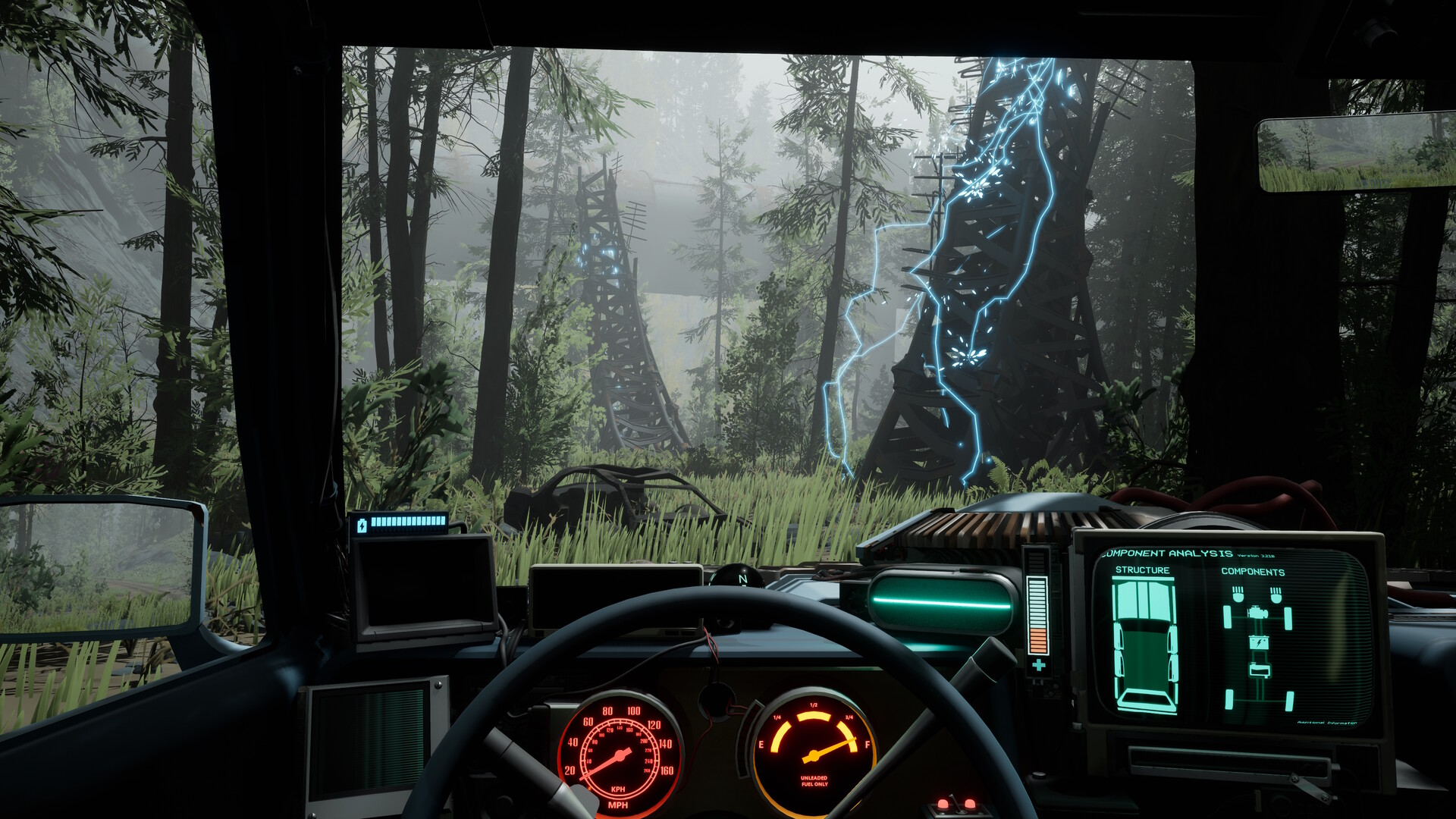
The parking brake origin story changes how I think about Pacific Drive. I always assumed the narrative was planned from the start, but it wasn’t. The zone was there early, Oppy was there early, but the story was originally bigger and more universal. The parking brake forced them to focus on the player’s personal experience, and that’s why the game resonates. It’s not about saving the world. It’s about your car, your choices, your mistakes.
I’m also going to be looking at every cosmetic description differently now. Knowing that Jacob hid his dogs in the game makes me want to go back and find them. And the Click and Clack inspiration makes perfect sense—Tobias and Francis have that same rambling, off-the-cuff energy. I grew up listening to Car Talk with my dad, so that hit home.
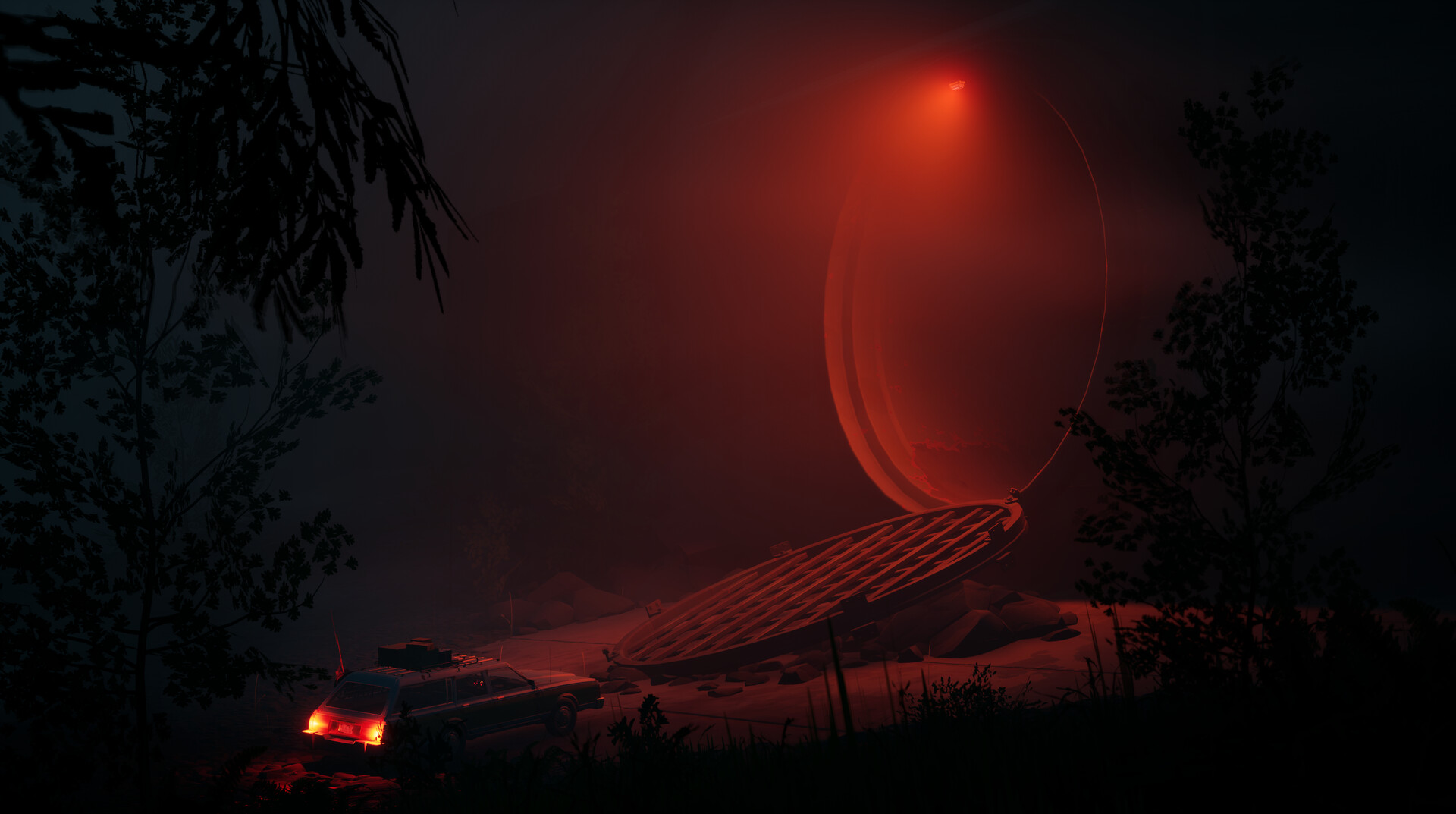
What I want next is more of this. Not just the jokes, but the design philosophy. The parking brake story proves that Pacific Drive’s best moments came from the team’s own frustrations and accidents. That’s rare, and it’s worth celebrating. If you haven’t read the full AMA, do it. And then go forget to set your parking brake one more time. I know I will.